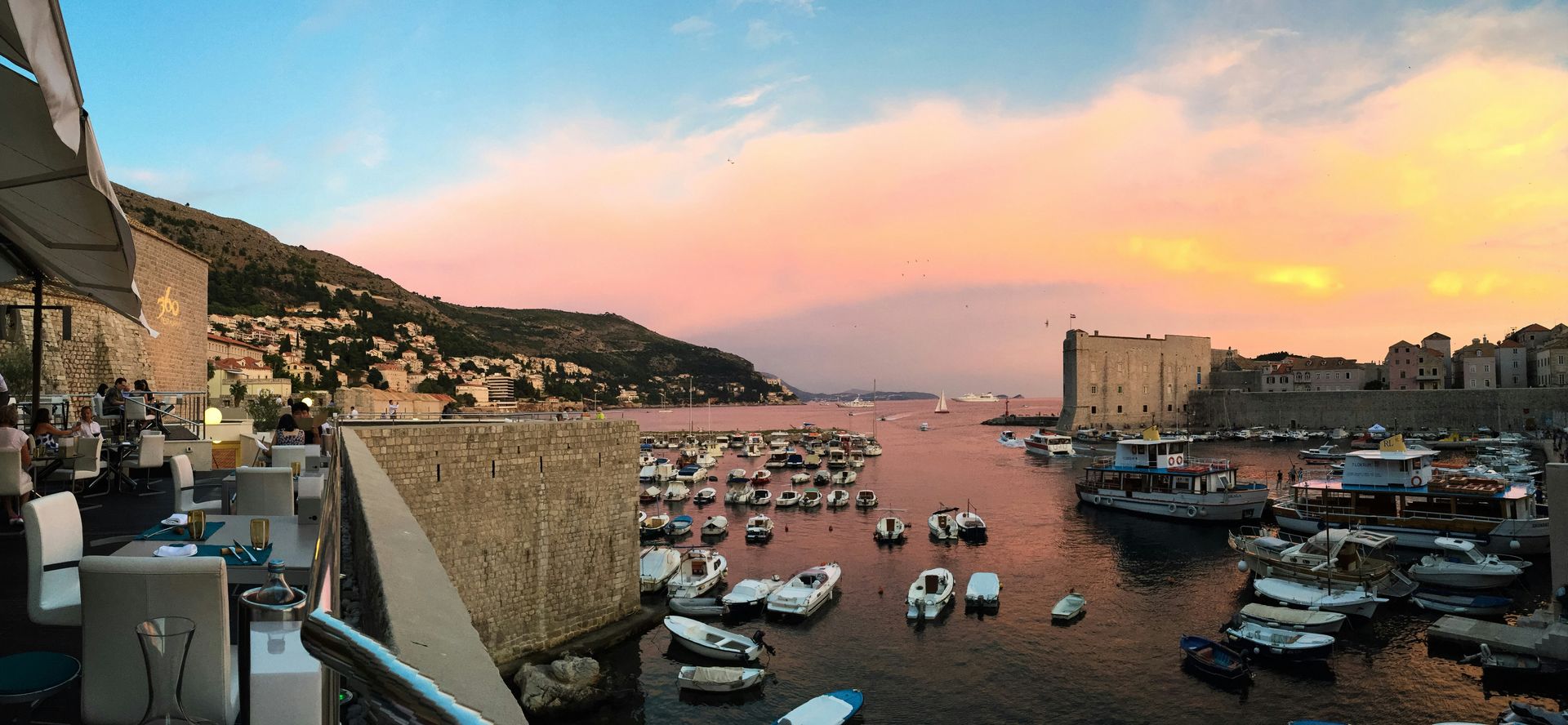
One of the Most Dangerous Things on a Dubrovnik Vacation
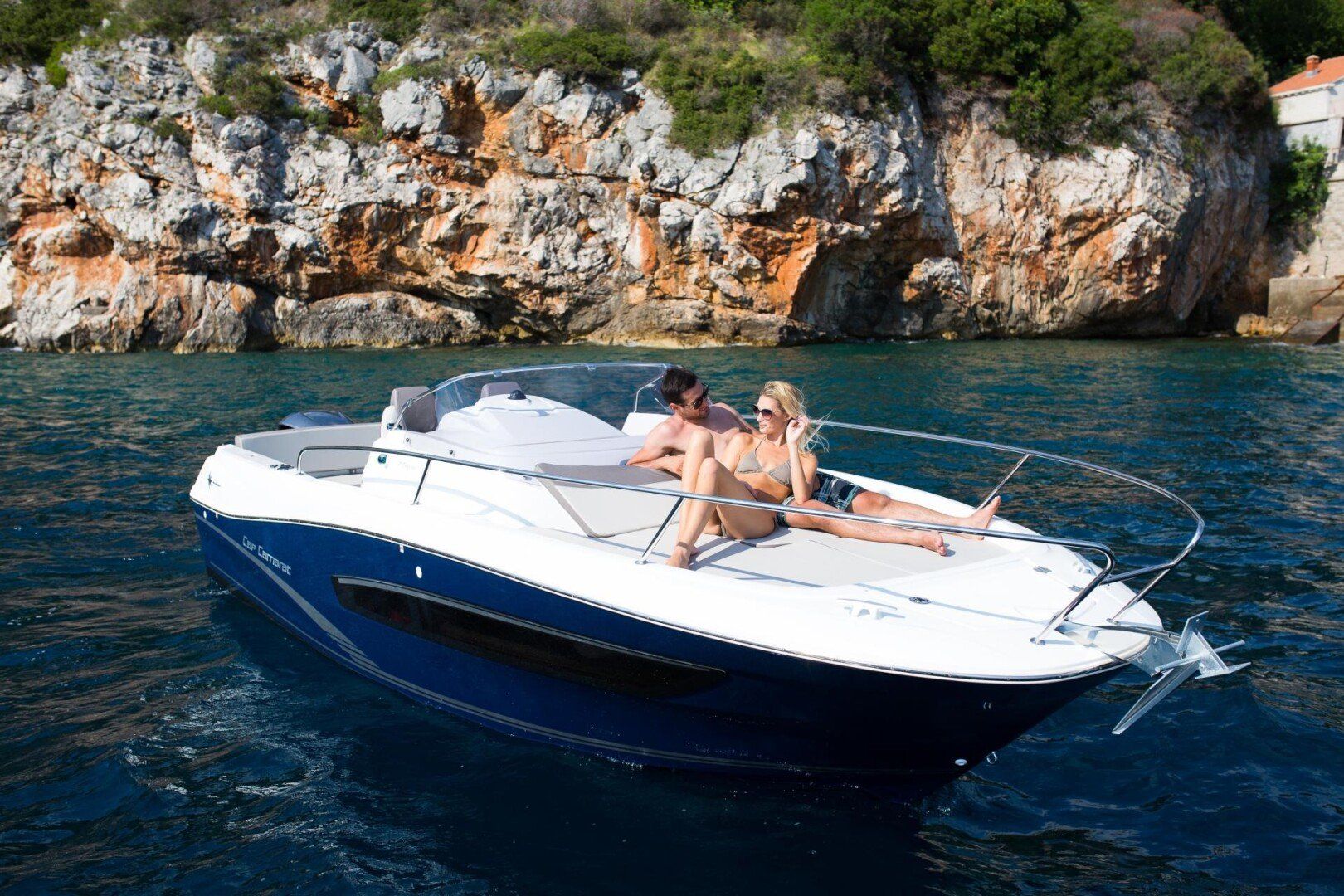
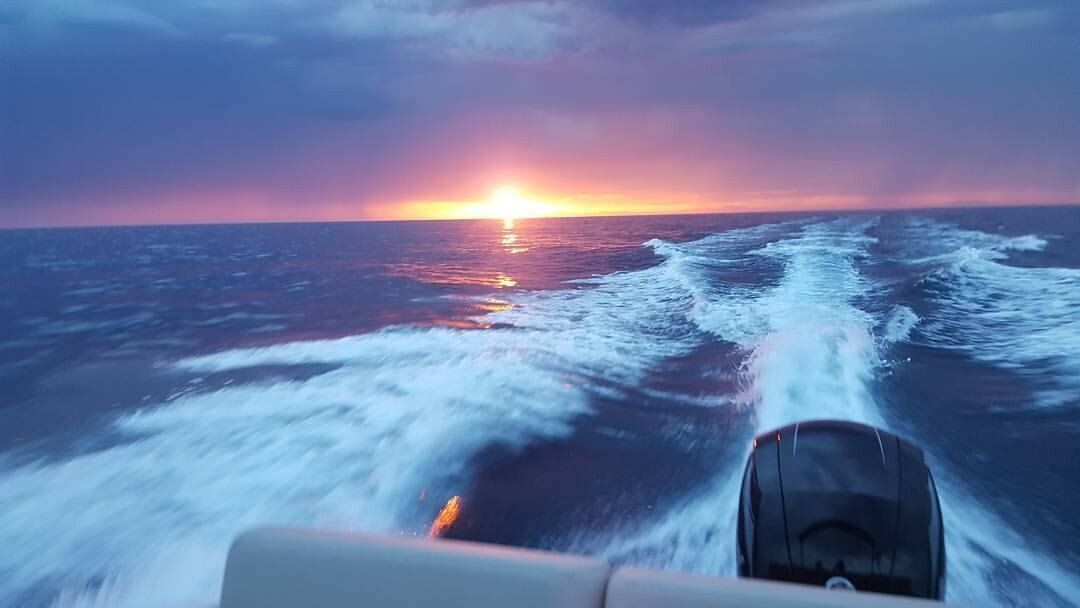
Planning a Dubrovnik vacation might make you worry about sea conditions, boat safety, or marine creatures. But the real danger isn't hiding in the Adriatic waters, it's right above you. Boat tours and island hopping adventures put tourists at high risk of sunstroke and dehydration.
Why Summer Boat Tours in Dubrovnik Demand Extra Caution
Many travelers don't realize how intense summer heat can get in Dubrovnik Croatia. The temperature often hits 30°C (86°F) with humidity levels around 63%. Your body can get overwhelmed quickly. UV exposure becomes more dangerous on boat tours in Dubrovnik. The water reflects and increases UV exposure by about 90%. Light cloud cover won't help much either. A surprising 90% of harmful UV rays can still reach you and cause severe burns even on cloudy days. Most tourists think a boat canopy will protect them, but that's not true.
Heat exhaustion can strike easily during island trips because of the heat, reflected sunlight, and limited shade. Watch out for signs like heavy sweating, weakness, dizziness, nausea, and rapid pulse. This condition can turn into heat stroke if left untreated. Heat stroke becomes life-threatening when body temperature goes above 103°F (39.4°C). In this piece, you'll find practical ways to enjoy Dubrovnik's beautiful coastline while staying safe from this hidden danger.
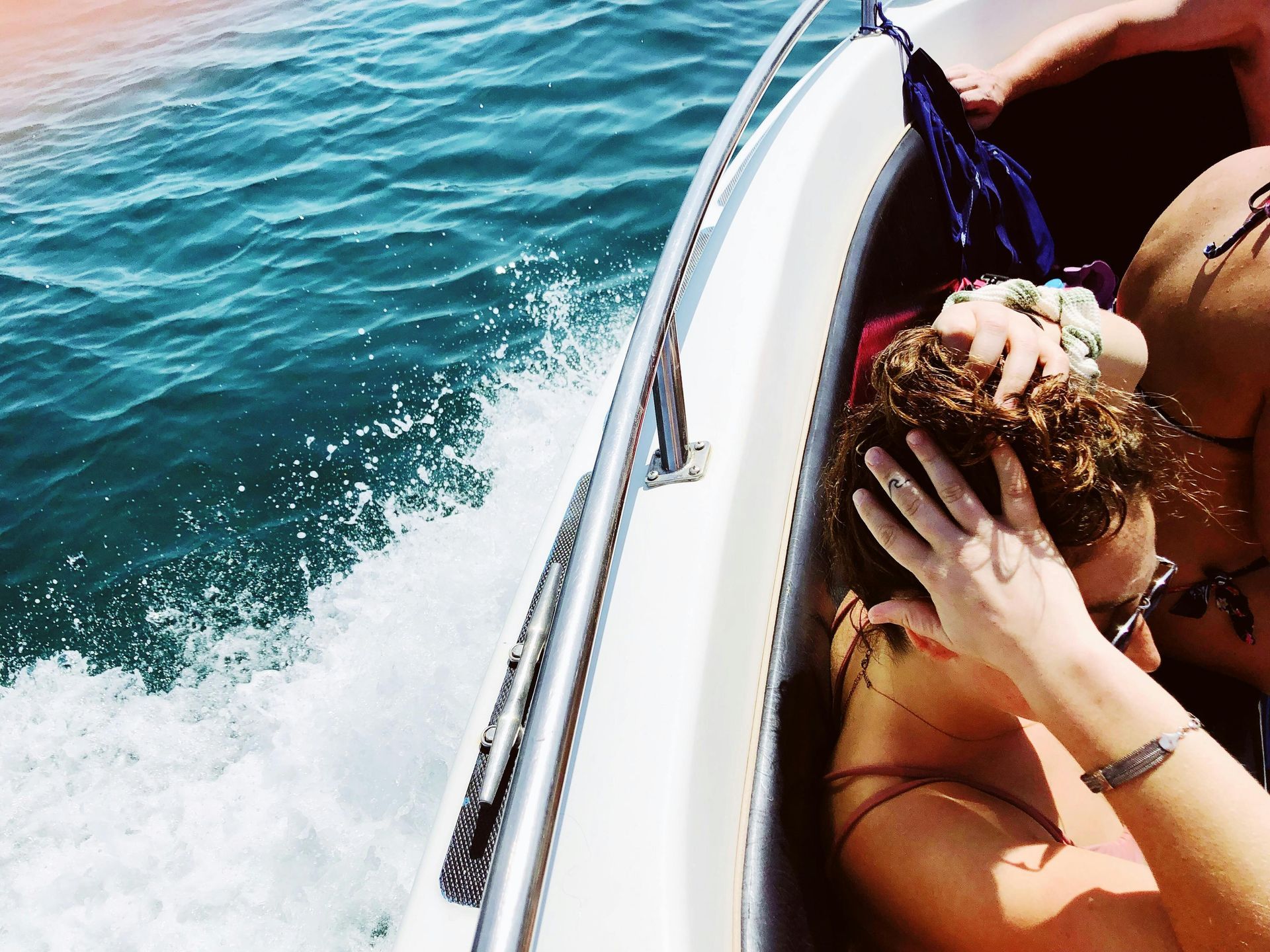
The Real Danger on a Dubrovnik Vacation Isn’t the Sea
Tourists arriving in Dubrovnik often worry about dangers in the Adriatic Sea. They fear jellyfish encounters and swimming accidents, making these maritime threats a common topic in safety discussions. The statistics tell a different story.
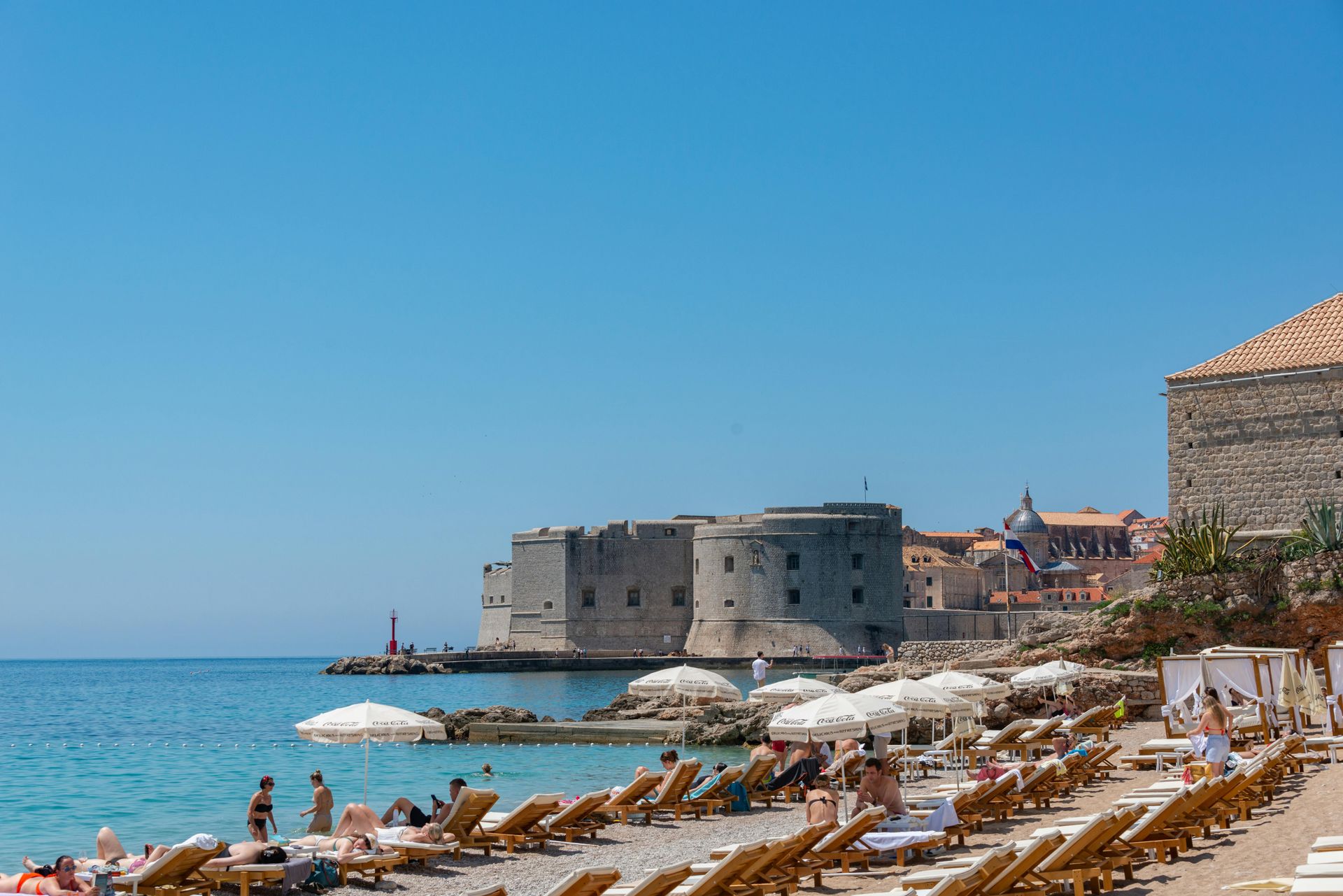
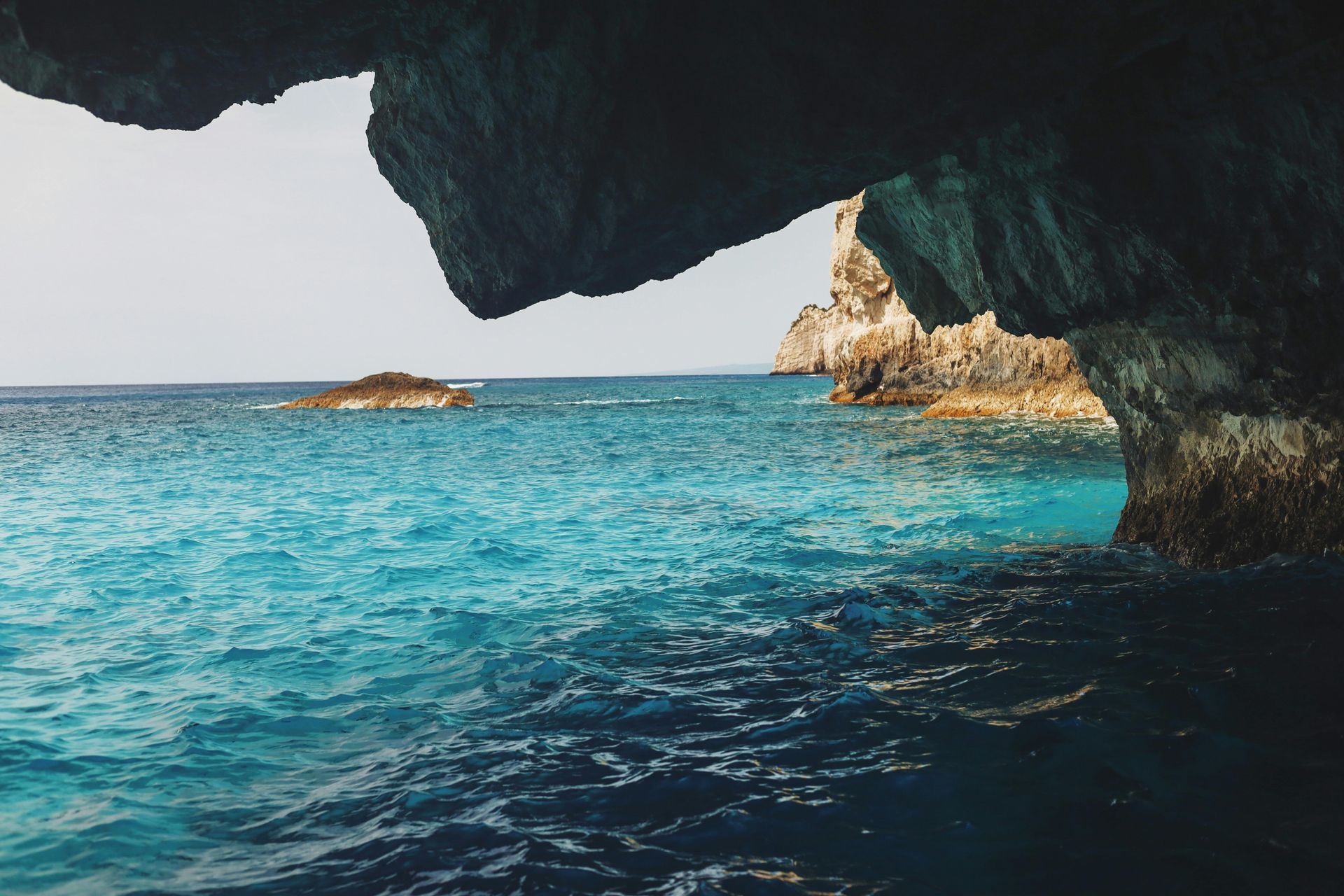
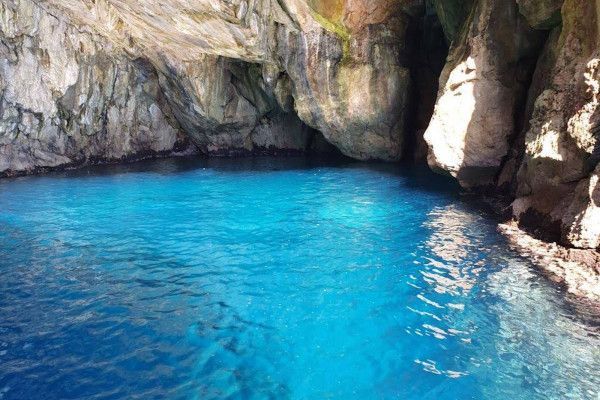
The beautiful azure waters around Dubrovnik's islands actually present minimal risk. The real danger isn't lurking beneath the waves - it's the powerful Mediterranean sun beating down from above that threatens your safety.
Each summer tells the same story through local emergency service reports. Heat-related illnesses send more tourists to medical facilities than any sea-related incidents. This trend continues every year, especially when you have peak summer temperatures and extreme UV levels.
The sun's threat works silently. While rough seas clearly show their danger, sun damage sneaks up gradually. Most tourists notice symptoms of heat exhaustion or severe sunburn only after significant harm has occurred.
The vacation mindset mixed with an unfamiliar climate makes tourists underestimate Dubrovnik's summer heat intensity. Their excitement creates a dangerous combination that increases the risk of heat-related emergencies.
Here's a reality check - your boat tour's biggest threat isn't the boat or water. The real danger comes from hours under direct sunlight without proper protection and hydration.
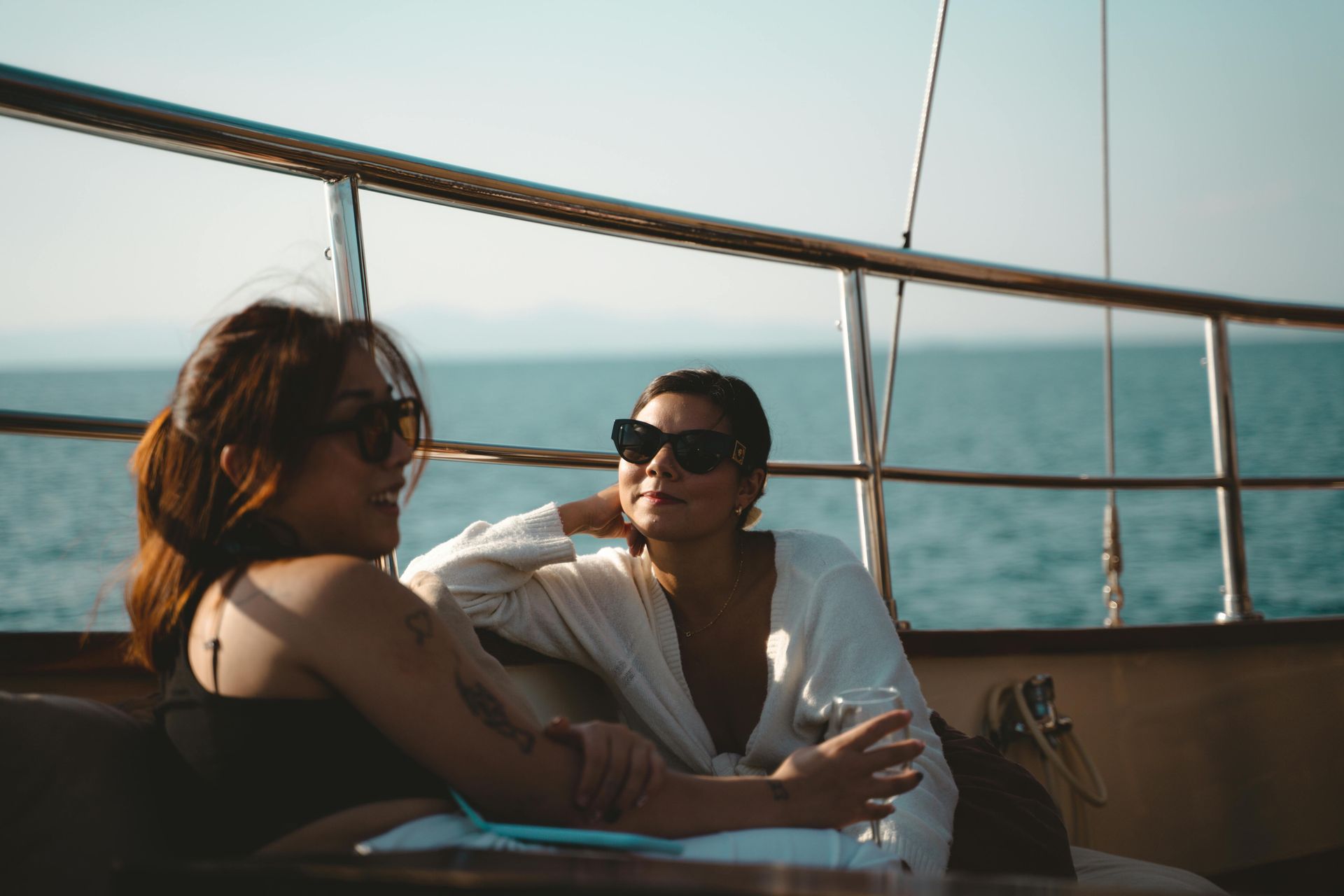
Understanding Heat and UV Exposure in Dubrovnik
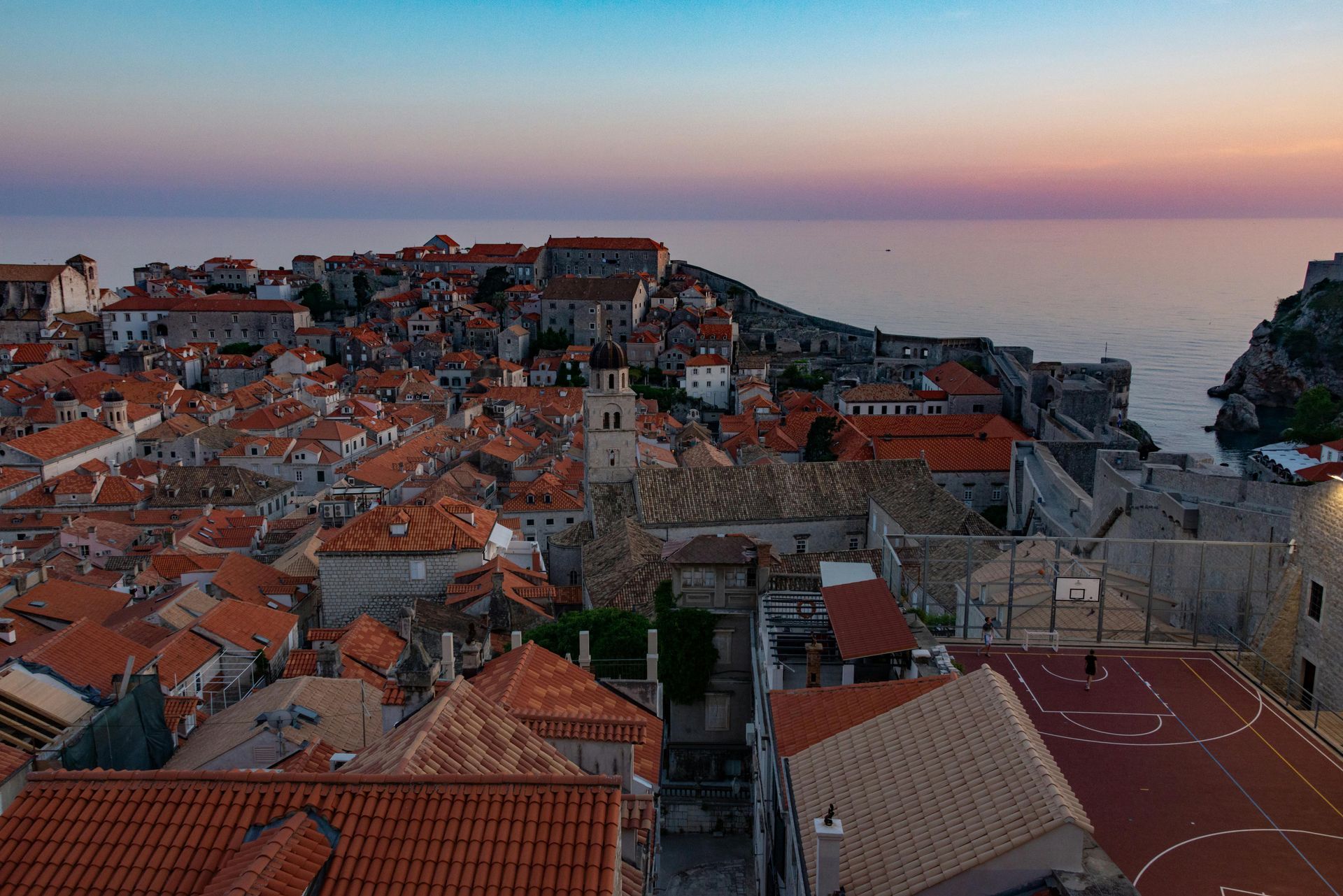
Dubrovnik's Mediterranean climate creates heat conditions that many travelers don't expect. Summer temperatures in July and August climb to 31°C (88°F). The nights stay warm at 21°C (70°F). Your body feels the effects of this constant heat more each day.
The city's UV index hits a dangerous level 7 during July. This poses a serious health risk from sun exposure. If you have fair skin, you can burn in under 20 minutes. The city's famous limestone streets make this even riskier by reflecting and intensifying the sun's rays.
The heat builds up most in the city's public and residential areas. Research shows this heat buildup has increased in the last 50 years. Each summer brings potentially more dangerous conditions than before.
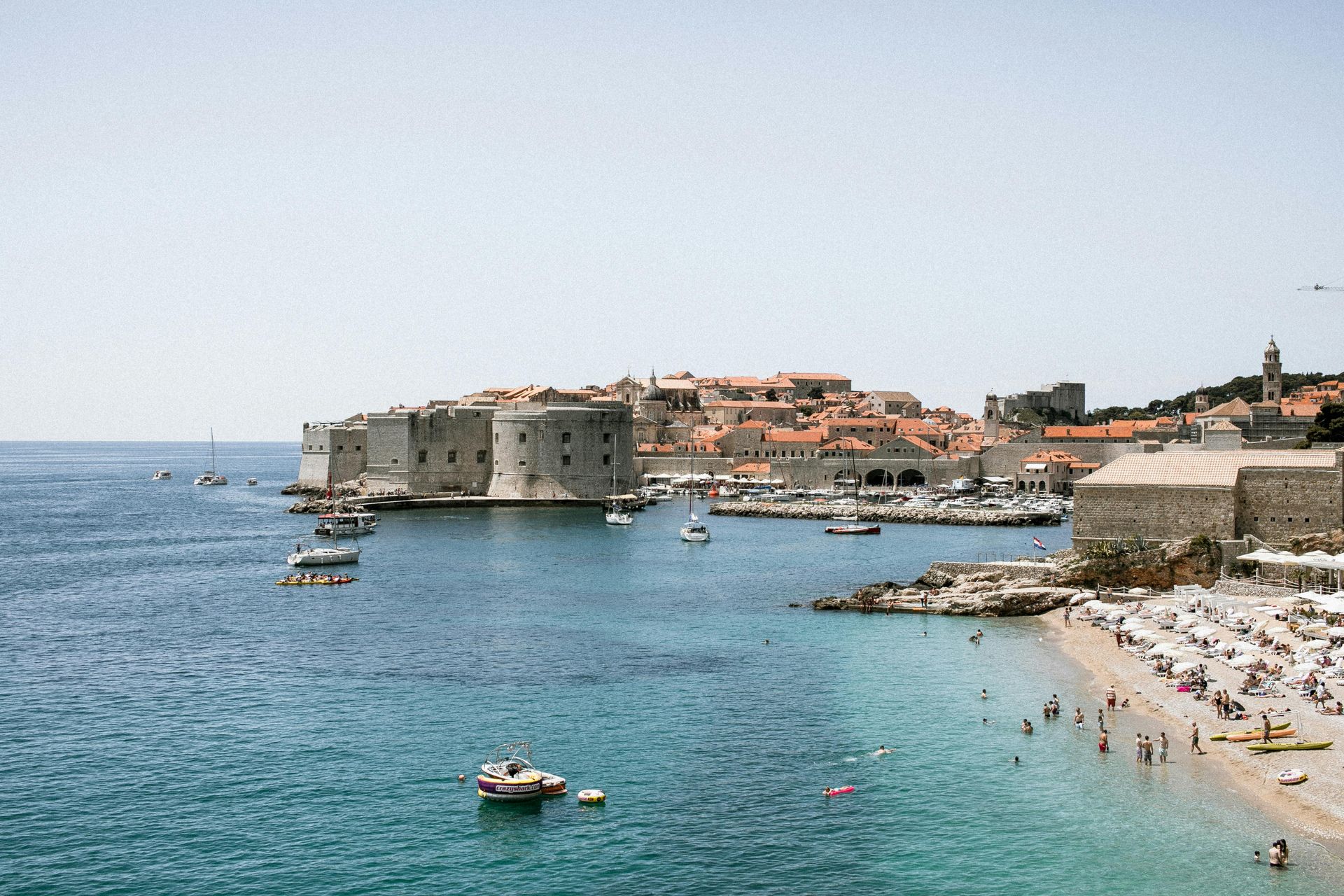
Being on water makes these risks much worse. UV exposure nearly doubles due to water reflection. This means you get twice the radiation compared to being on land. Boat tours combine several risk factors - water reflection, little shade, and long exposure times.
Water gives you nowhere near the protection you might think. About 80% of UVA rays that cause premature aging and 50% of UVB rays that cause sunburn pass through the water's surface. This affects both swimmers and sunbathers equally.
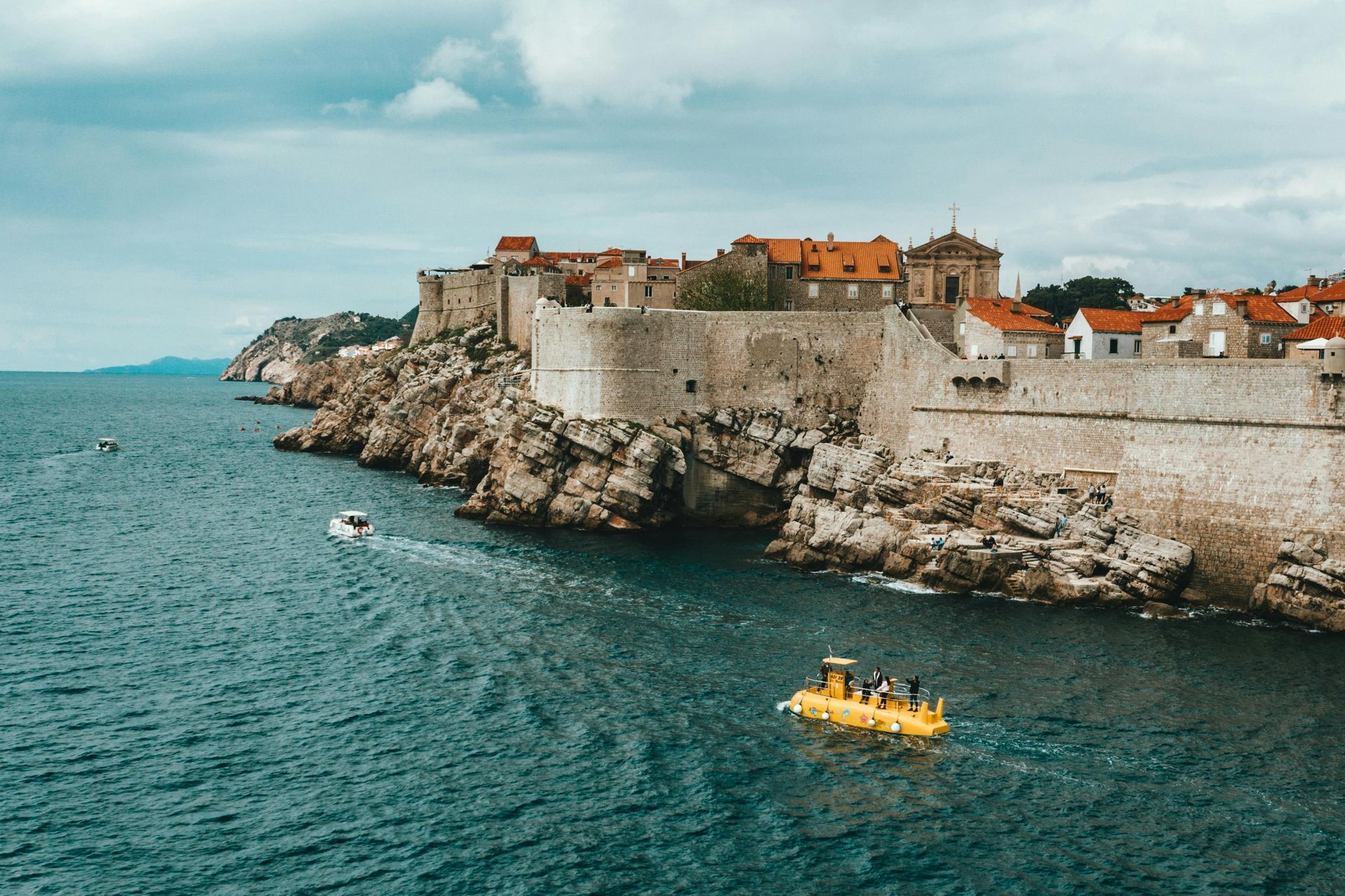
How to Avoid Sunstroke and Dehydration
The summer heat in Dubrovnik demands smart planning to stay protected. Your body needs 6-8 glasses of water daily at minimum. Dubrovnik's tap water is completely safe, so you won't need to spend money on bottled water.
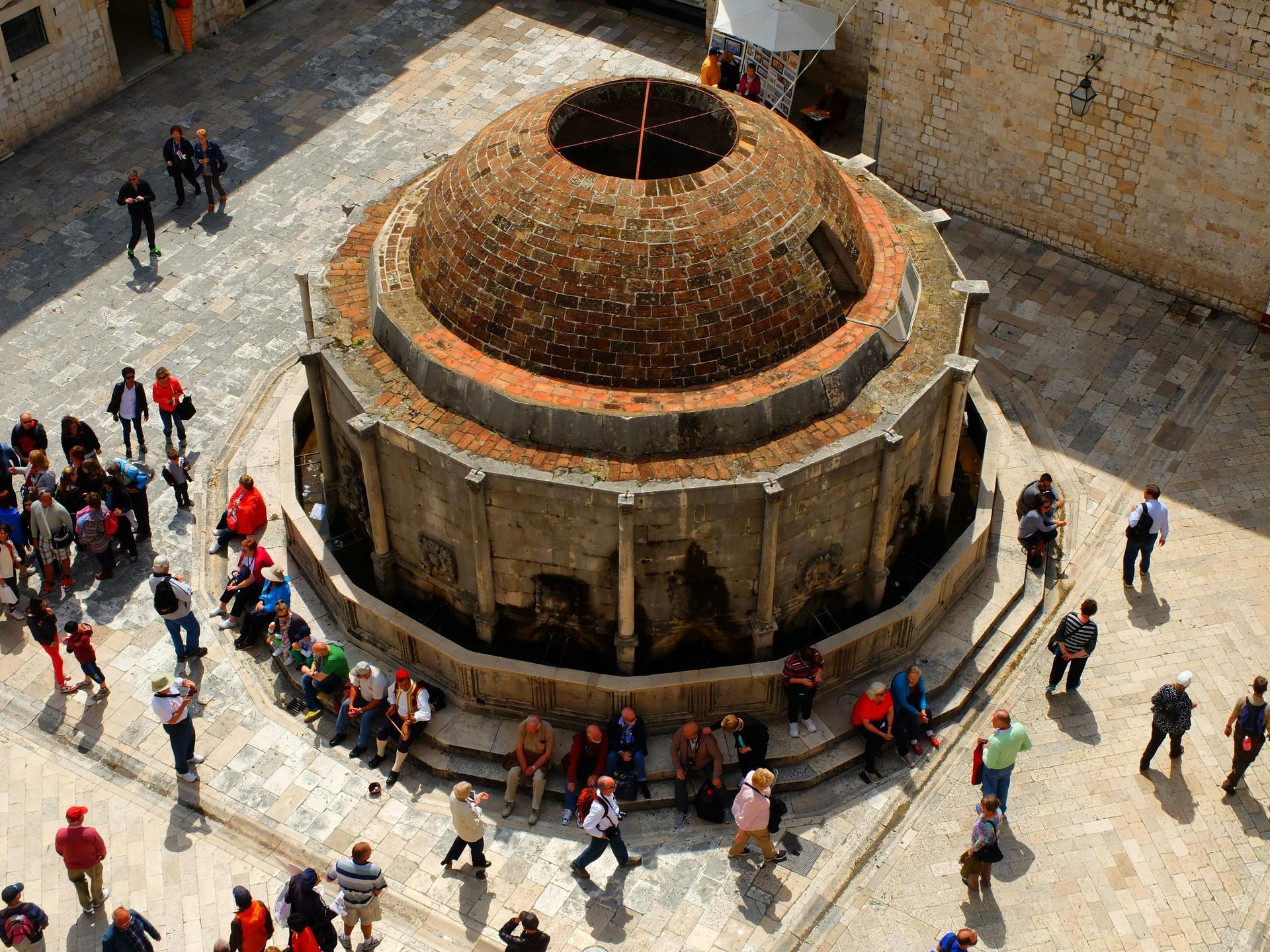
The historic Onofrio's Fountains at both ends of the Stradun in the Old City provide surprisingly cold drinking water while you explore the city. Your body actually loses more water with alcohol and caffeine, so these drinks won't help quench your thirst.
Shade makes a remarkable difference in Dubrovnik. The temperature can drop by 20 degrees between direct sunlight and shaded areas. Smart travelers plan their outdoor activities before 10 AM or after 3 PM to avoid intense UV rays.
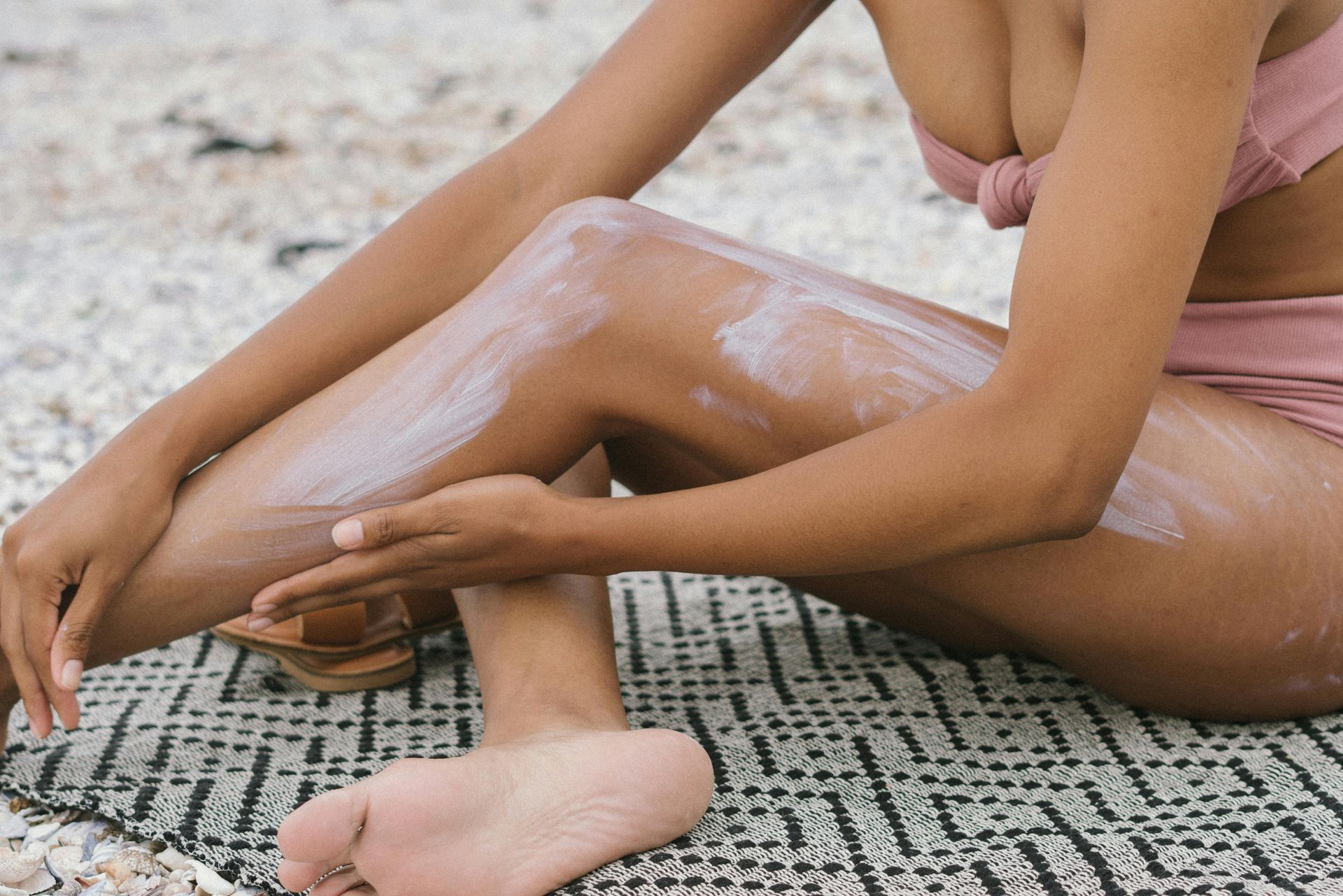
Boat tours need extra attention to sun protection. Water reflects UV rays and increases exposure by about 90%, which creates perfect conditions to get severely sunburned. Broad-spectrum sunscreen with at least SPF 30 should be applied 15-30 minutes before sun exposure. Reapplication every two hours becomes essential, especially after swimming.
Sun protection should cover often-missed spots like your ears, neck, lips, feet, backs of knees, and hands. A wide-brimmed hat provides vital protection for your face and neck.
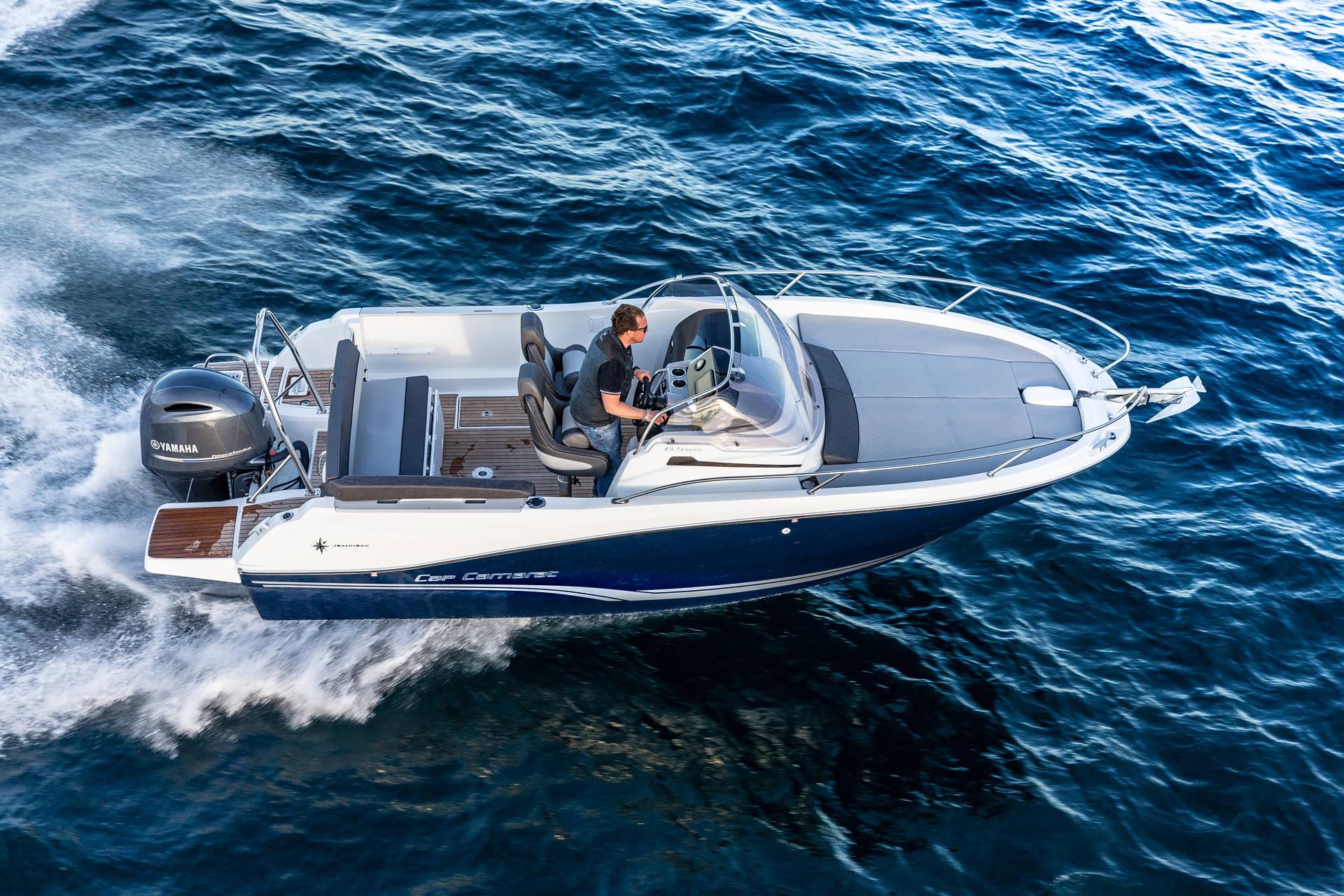
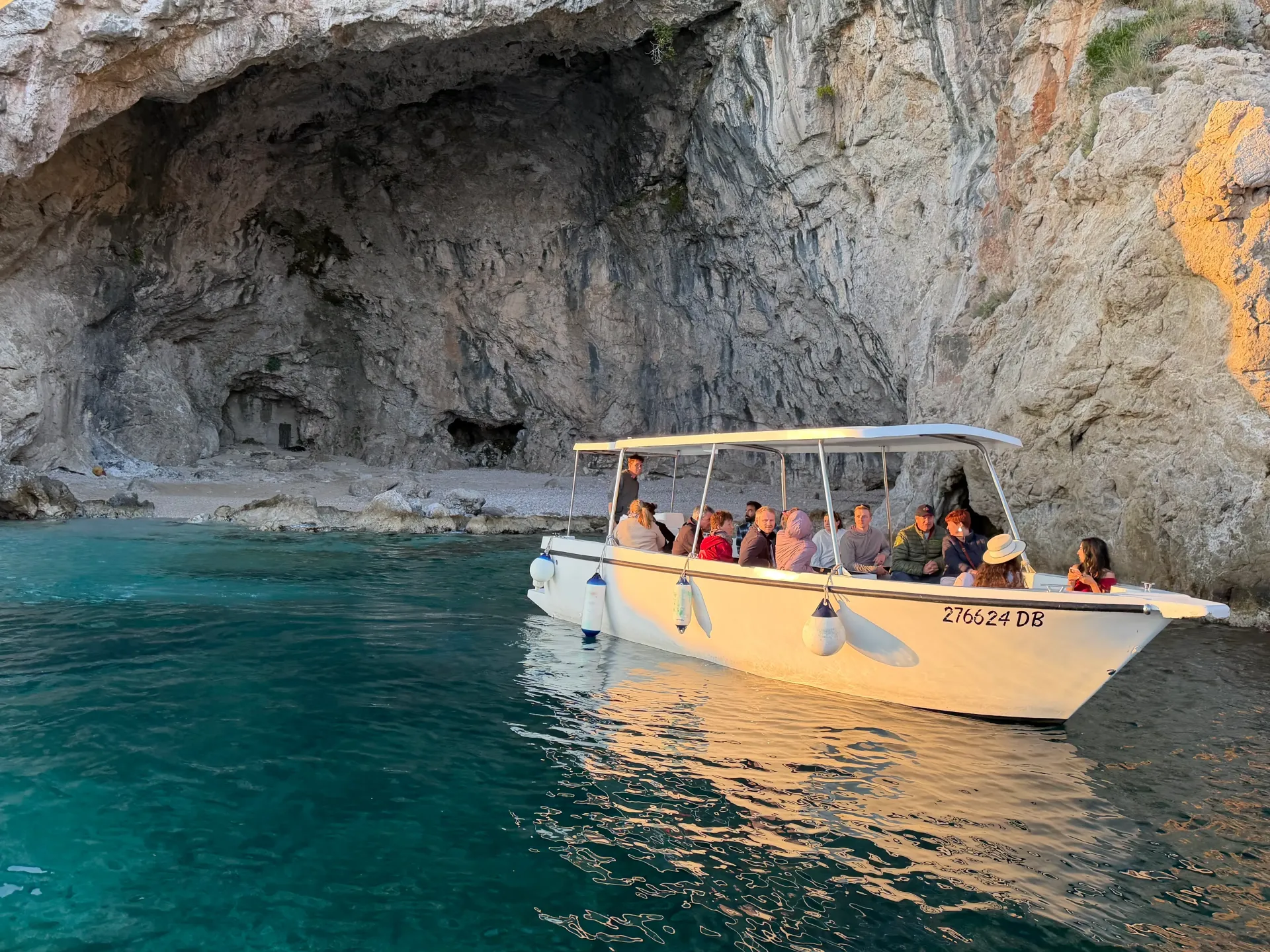
Summer heat becomes more enjoyable with experienced local skippers who know the best swimming spots and shaded areas. Their guidance helps you stay safe in the sun, and you can check available departures here.
Alcohol and sun exposure make a dangerous combination. This mix speeds up dehydration and reduces the time it takes to get sunburned.
What to Do If You Get Overheated or Sunburned
Quick action can save you when the sun becomes too intense, even with preventive measures. You should get out of the sun right away if you notice any signs of sunburn or heat exhaustion.
Here's how to treat sunburn:
- Cool the burned areas with damp towels or take a cool shower
- Apply after-sun creams or fragrance-free moisturizers
- Take paracetamol to help with pain and discomfort
- Stay hydrated by drinking plenty of water
Your condition might get worse if you use petroleum jelly, ice packs, or try to pop blisters on sunburned skin.
Heat exhaustion needs immediate attention. Find a shady spot, loosen your clothes, and lift your legs. Take small sips of water and cool your body with wet towels. Most people feel better within 30 minutes with proper care.
You need medical help immediately if you notice:
- Skin that's blistered or swollen
- Fever with chills or confusion
- Strong headaches or muscle cramps
- You lose consciousness
Red Cross teams stand ready throughout Dubrovnik's tourist areas to help with heat-related problems. You can spot them easily, and they know how to handle everything from heat stroke to dehydration.
Heat-related conditions can cause serious complications without treatment. Mild symptoms can quickly become severe, especially when you have children or older adults in your group.
Frequently Asked Questions
Travelers want to know how to handle the heat during their Dubrovnik vacation. These answers address the most common questions we receive:
Is Dubrovnik too hot in summer?
Summer heat in Dubrovnik can be intense, with temperatures typically ranging from 30°C to 35°C (86°F to 95°F). The hottest weather occurs during peak season from June through August, and record highs have been documented over the last several years. You might want to plan your visit in September or October when temperatures become milder but remain pleasant enough to enjoy the city.
Is island hopping in Dubrovnik safe in summer?
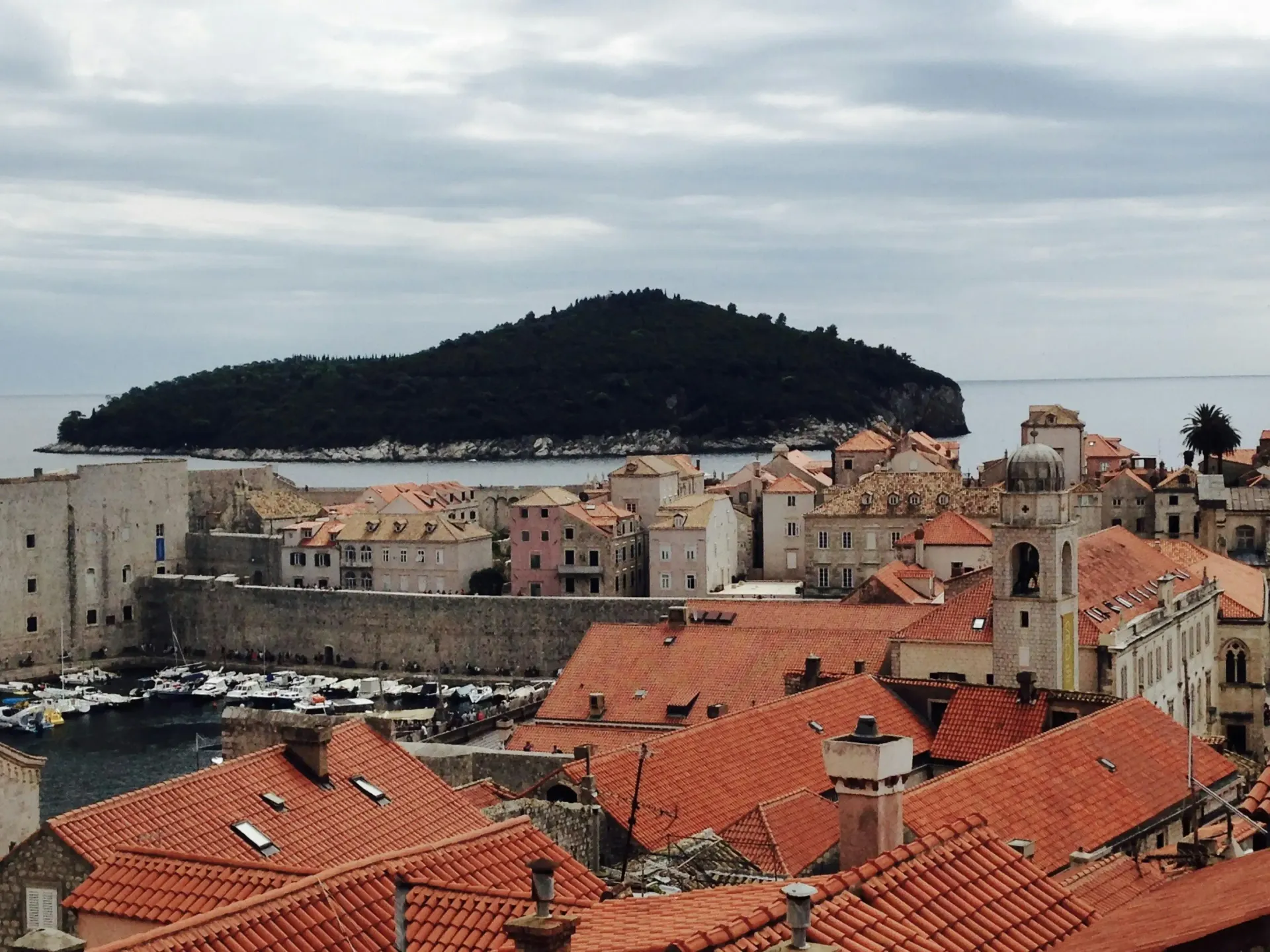
You can safely enjoy island hopping if you follow basic safety measures. The Adriatic Sea warms up to a comfortable 25–26°C (77–79°F) in summer, which makes swimming delightful. Koločep and Lopud islands have less boat traffic than other spots, so swimming conditions are safer. The waterways get busier with boats from June through September.
How can I avoid dehydration on boat tours?
Each person needs to drink 2-3 liters of water daily to stay hydrated. Start exploring before 10 AM and rest between 1 PM and 5 PM when the sun reaches its peak. Light clothing made from linen or cotton and a wide-brimmed hat will protect you from the heat.
Exploring the sea with experienced local skippers is often a more comfortable way to enjoy the summer heat, especially when tours are structured with swimming stops, shaded areas, and guidance on staying safe in the sun. You can find available departures here.